Step into any bustling residence kitchen or restaurant, and ultimately the question of cookware option comes up. When it comes to woks - the heart and soul of stir-fries, fried rice, and quite a bit extra - cooks discover themselves picking among forged iron and carbon metallic. Both have deep roots in culinary records. Both can produce mouthwatering outcomes. Yet, their ameliorations are a ways from trivial.
Having cooked professionally in wok stations and experimented at residence for many years, I actually have visible firsthand how every subject material shapes not simply the delicacies, but also the rhythm and feel of cooking. This is simply not honestly a remember of subculture as opposed to trend. The resolution among a cast iron wok and a carbon metallic one touches on style, strategy, repairs, and even very own kind in the kitchen.
The Character of Each Material
Cast iron and carbon metal percentage a designated previous-international allure. They either require seasoning - it is, development up a layer of polymerized oil for insurance plan and nonstick properties. They the two eschew brilliant colors and manufactured coatings. Yet they diverge in composition and habit.

Cast iron is dense and heavy. Traditional Chinese solid iron woks may well be highly skinny-walled when put next to Western skillets, but however, they continue warmth with cussed tenacity. Carbon metal is lighter and greater responsive. It heats up instantly and cools down simply as quick. The change is not very refined. Slide your hand alongside every, and you can experience it: the silky patina constructing on neatly-used carbon steel, the granular texture of pro solid iron.
A vintage carbon metallic wok normally weighs between 2 and 5 pounds for a 14-inch brand. Its cast iron counterpart may perhaps tip the size toward 7 pounds or greater. For some cooks, that heft feels reassuring. For others, it method fatigue after a few minutes of tossing noodles.
Stir-Frying: Speed Versus Stability
The heart of wok cooking lies in stir-frying. High heat, swift stream, and true handle are necessary. Here, carbon metal shines. A fabulous carbon steel wok can pass from room temperature to blazing sizzling in less than a minute on a right burner. That quickly reaction is obligatory whilst you wish to sear aromatics or toss veggies so they remain crisp-soft.
Cast iron’s slower warmness-up time may well be a trouble for this vogue. However, once it's far hot, it stays scorching. For dishes that benefit from sustained, even warm - assume shallow frying or a frittata-like egg foo young - forged iron’s thermal mass is a bonus. In busy kitchens with underpowered stoves, that retention can make a big difference. You can drop in a considerable handful of bloodless meals devoid of shedding your sizzle.
Personal adventure: I nevertheless take into account my first attempt at pad thai on a forged iron wok. The noodles steamed rather then seared. I discovered too overdue that my house stove in reality couldn't muster enough warm for that heavyweight vessel. Swapping to carbon metallic solved it. The distinction turned into quick: charred edges on tofu, snappy bean sprouts, and not a trace of sogginess.
Seasoning and Maintenance
Both models call for care. Seasoning isn't always non-obligatory; that's necessary for functionality and durability.
Carbon metallic seasons immediately. After burning off the manufacturing facility oil and utilising your very own layer (flaxseed oil is accepted, notwithstanding lard or canola work just as smartly), you'll be able to get a skinny patina after simply a number of stir-fries. The surface grows slick with use. If you accidentally scour as a result of the seasoning, it is straightforward to rebuild. Most chefs effectively wipe the wok with oil after cleaning and revisit top-heat seasoning occasionally.
Cast iron woks expand seasoning greater slowly. The pores within the metallic can lure moisture when you usually are not diligent about drying and oiling after each and every use. In humid climates, rust can creep in in a single day. On the turn part, as soon as set up, a solid iron seasoning can stand up to greater abuse: larger oven temperatures, deeper scrubbing. There is whatever thing deeply satisfying about the deep black sheen of an ancient forged iron wok, facts of thousands of meals cooked and shared.
One area case: if you prepare dinner acidic dishes (tomato-structured sauces, vinegar-heavy stir-fries), each elements can lose some seasoning. Carbon metallic reacts quicker, leaving at the back of metal flavors whenever you linger. Cast iron is more forgiving but still blessings from instructed cleaning after acidic meals.
Everyday Practicalities: Handling and Storage
A wok is absolutely not just a cooking surface. It is a tool intended to be wielded. Here is wherein weight and cope with layout be counted. Most carbon metal woks include a single long take care of (the “Northern” vogue) or two small loop handles (the “Cantonese” vogue). Cast iron woks broadly speaking characteristic the dual handles by means of their heft. If you intend to toss delicacies with one hand, carbon metallic is massively more viable. Even 15 mins into a hectic dinner carrier, my hands not ever tire with a 3-pound carbon steel wok. Cast iron calls for two hands or a robust wrist, surprisingly while aiming for those dramatic tosses that aerate and sear concurrently.
Storage is any other element. Carbon metallic’s lighter build helps you to cling it on a pot rack or slip it into tight areas. Cast iron’s bulk could be unwieldy. Some cooks preserve their forged iron wok completely on the stove as a style of badge of honor (and as an excuse to apply it constantly). Neither material have to be left wet or stacked with other pans; moisture is the enemy.
Heat Sources and Versatility
Not each and every kitchen has a roaring gasoline burner. In actuality, many dwelling house chefs make do with electrical coils or induction hobs. Both different types of wok will probably be tailored, but with caveats. A flat-bottomed carbon metal wok works effectively on electric powered or induction. Round-bottomed units can wobble dangerously except you employ a wok ring, which is able to sap warm from electrical stoves.
Cast iron’s even base makes it extra forgiving on glass-properly degrees. Its weight guarantees full contact with the burner. That spoke of, most induction cooktops have sensors for you to now not understand thinner carbon metallic woks unless they make proper touch. Cast iron is much less fussy here.
Beyond stir-frying, both woks can control deep-frying, steaming (with a bamboo or metal rack), simmering stews, and even roasting peanuts or coffee beans. The forged iron wok excels at obligations where steady, enveloping warmness is needed. Carbon metal is unbeatable for fast searing or while you wish to change temperatures directly.
Flavor and Wok Hei
Every cook chasing genuine Chinese flavors has heard of “wok hei” - that elusive breath of the wok. It is a made of critical warmness, speedy action, and smoky aroma. Carbon metallic is continuously credited with making this feasible at homestead. Its skinny walls can attain temperatures above 700°F in case your burner is up to the activity. You can see onions blister very nearly quickly, scent garlic caramelize sooner than it has a chance to burn.
Cast iron can carry a few wok hei in the proper hands, rather with ample preheating. But because it loses warmness much less speedy when chilly elements hit the pan, cuisine may also steam instead of sear unless you're employed in small batches and supply much of time for restoration. In eating places with mega-BTU burners, cooks repeatedly use cast iron for higher batch cooking in which consistency topics extra than split-2d searing.
Anecdotally, my own attempts at Cantonese-variety fried rice tasted stupid until I switched to carbon steel. The big difference changed into not a lot in nonstick potential but in that elusive smoky word - demanding to describe however all of a sudden recognizable as soon as you've tasted it.
Cleaning Up: Myths and Realities
There is a power delusion that woks will have to by no means be washed with soap. In truth, light cleaning soap is first-rate as long as you rinse appropriately and dry as we speak. The major hazard is scrubbing away seasoning or letting water linger long ample to rust both metallic.
After stir-frying in carbon metallic, I primarily rinse with scorching water and wipe dry over low warm. Occasionally I will use a delicate sponge with a drop of cleaning soap if there's caught-on residue. For cast iron, the manner is an identical but demands extra vigilance approximately drying; trapped water less than the seasoning layer can rationale pitting rust overnight.
For either forms: not ever soak in a single day. Never run by way of the dishwasher. Never store devoid of oiling frivolously. These suggestions sound strict however turn into 2d nature after a few weeks’ use.
Durability and Longevity
With correct care, either fashion can final generations. Carbon metal is less brittle; it could warp beneath intense warm or forget about yet rarely cracks. Cast iron is powerful but can fracture if dropped onto tile or stone flooring. I have noticeable century-historical cast iron woks handed down by way of households in Guangzhou as heirlooms, their surfaces glassy-modern from a long time of each day foods.
With heavy use (restaurant kitchens firing masses of dishes according to night time), carbon metal woks also can need replacing every few years by means of thinning or warping. In homestead kitchens, both forms are as a rule lifetime investments.
Cost and Availability
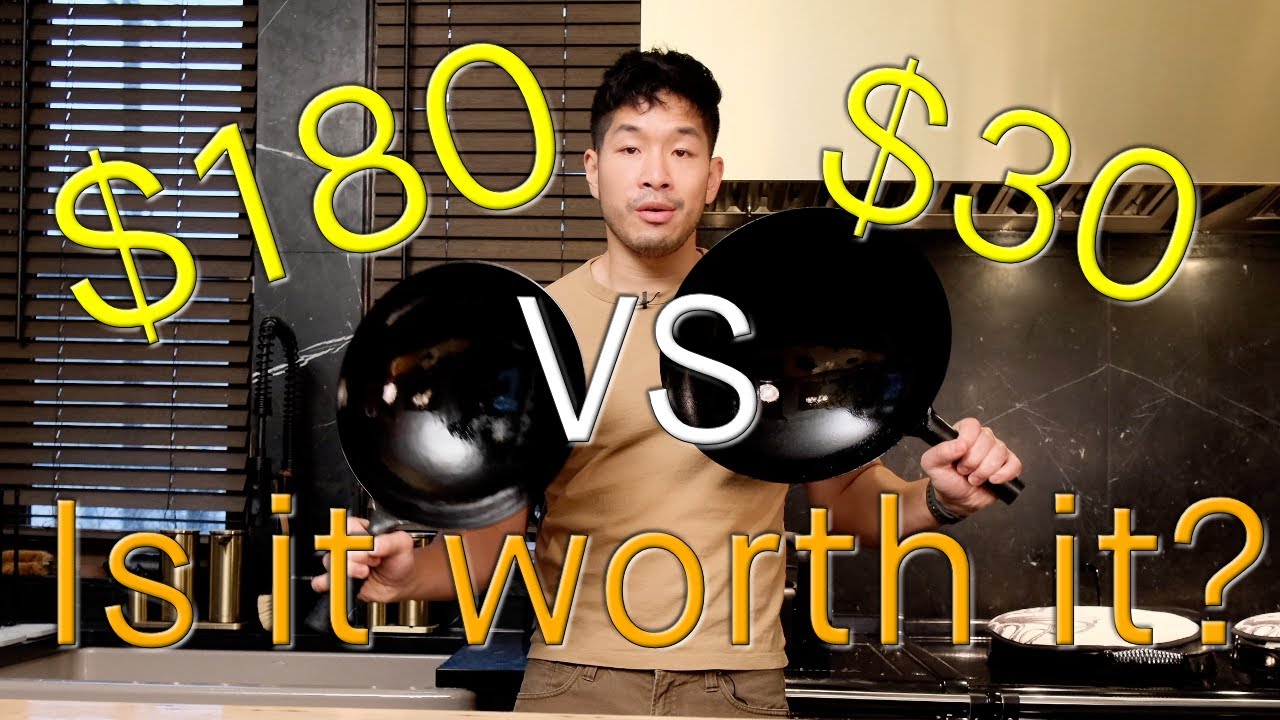
For https://ameblo.jp/waylonoyab210/entry-12942189448.html maximum abode cooks in North America or Europe, right quality carbon metallic woks are extensively to be had and relatively most economical. Expect to pay everywhere from $30 to $70 for a effectively-made 14-inch kind. Cast iron woks are much less traditional out of doors Asia but would be observed on-line or simply by distinctiveness importers. Prices vary widely: classic hand-hammered Chinese cast iron woks can cost $forty to $100 or more; Western manufacturers oftentimes run higher by using branding or finishing touches.
Some mass-industry “solid iron woks” are sincerely deep skillets with rounded aspects rather than right woks; these lack the thinness and form considered necessary for correct Chinese system.
When Each Shines: Matching Wok to Task
It is tempting to declare a winner between solid iron and carbon metal. The reality is more nuanced. Each excels beneath yes conditions.
Here is a rapid reference while making your option:
| Task | Cast Iron Wok | Carbon Steel Wok | |-----------------------------|---------------------------|-------------------------| | High-heat stir-frying | Serviceable (with time) | Excellent | | Deep-frying | Excellent | Excellent | | Steaming | Very just right | Very really good | | Simmering/soups | Excellent | Good | | Egg-dependent dishes | Excellent (with seasoning)| Good | | Tossing nutrition | Difficult (heavy) | Easy | | Use on induction/electrical | Good (flat base) | Very incredible (if flat) | | Achieving wok hei | Possible (with persistence) | Best |
This table simplifies certainty considerably. For example, in the event that your in basic terms stove is electrical and coffee-powered, forged iron would offer you superior outcome via conserving warmness longer. If you fee turbo temperature shifts or plan to cook classic Cantonese side road nutrients at home, carbon steel will think like an extension of your hand.
Common Pitfalls and How to Avoid Them
Every prepare dinner has made rookie error with woks. Here are five useful suggestions (in checklist form for readability):
Preheat absolutely formerly adding oil or foodstuff; equally metals operate great while scorching sufficient to shimmer oil today. Dry as we speak after washing to save you rust; depart over low warm for a minute or two. Use satisfactory oil in the time of preliminary seasonings; skimping ends up in patchy surfaces. Avoid cooking surprisingly acidic meals till seasoning is effectively-constructed. If rust seems to be, scrub gently with metal wool and re-season; do now not panic.The Personal Factor: How Cooking Feels
In the give up, cookware possibilities are deeply very own. Some cooks love the ritual heft and background of forged iron. Others appreciate the nimbleness of carbon metal. For me, carbon metal is my general significant other - pale enough for frantic weeknight dinners yet physically powerful adequate for get together-sized fried rice feasts. But while making mapo tofu or simmering a batch of pink-cooked beef stomach, I reach for forged iron each time.
If you favor items and maintenance routines, forged iron delivers a rewarding trip closer to perfection. If you prefer minimal fuss and maximum pace, carbon metallic will hinder velocity together with your creativity.
Final Thoughts: Which Should You Choose?
There is not any single appropriate answer in the “Cast Iron Wok vs Carbon Steel” debate. The most versatile kitchens ceaselessly have each inside of arm’s attain. For freshmen or these confined by way of budget or storage house, start with carbon metallic until you could have a specific reason why (resembling electric-handiest cooking or a pastime for gradual braises) to favor forged iron.
Season your wok with persistence and care. Cook aas a rule adequate that it never gathers airborne dirt and dust. Over time, you may build not simply taste but self belief - and most likely cross down your renowned wok to every other new release of enthusiastic cooks.