Step into any bustling dwelling kitchen or eating place, and at some point the query of cookware decision comes up. When it involves woks - the heart and soul of stir-fries, fried rice, and lots greater - chefs locate themselves determining among solid iron and carbon metal. Both have deep roots in culinary historical past. Both can produce mouthwatering outcome. Yet, their transformations are some distance from trivial.
Having cooked professionally in wok stations and experimented at abode for decades, I have visible firsthand how each one drapery shapes now not just the foodstuff, however additionally the rhythm and feel of cooking. This will not be without problems a count number of lifestyle versus pattern. The alternative between a solid iron wok and a carbon steel one touches on style, procedure, upkeep, or even private taste in the kitchen.
The Character of Each Material
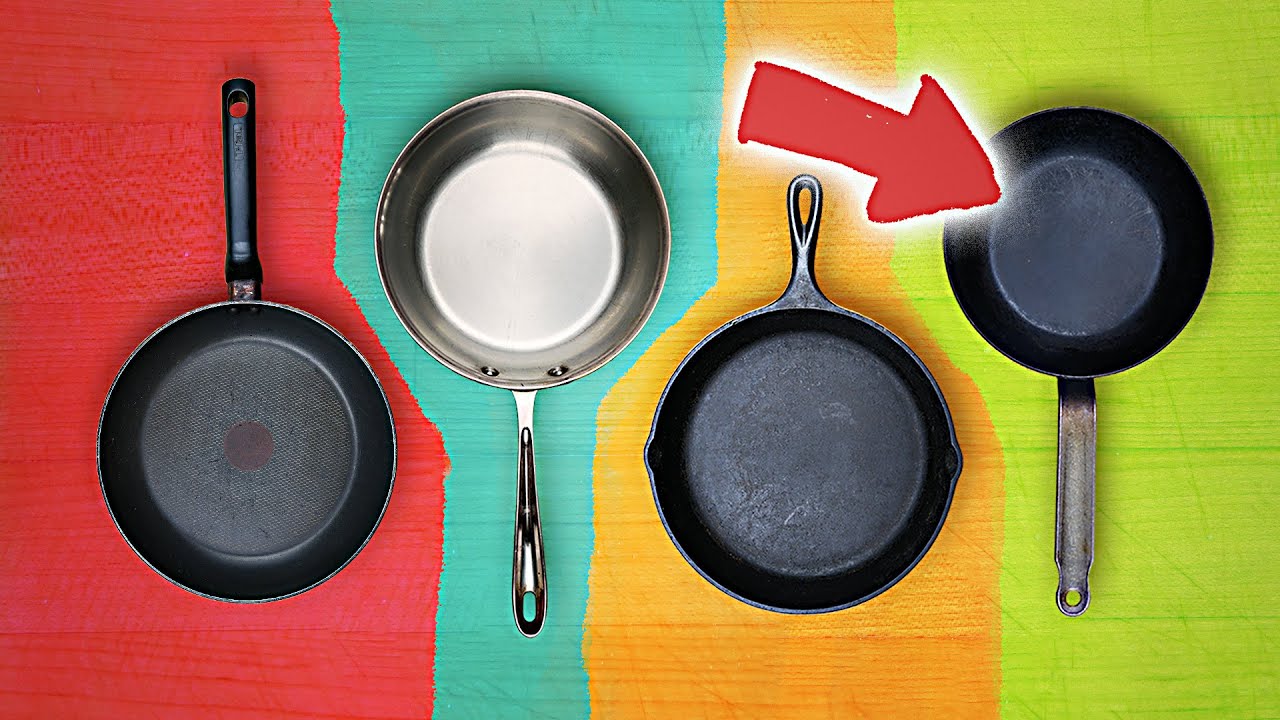
Cast iron and carbon metal percentage a exact outdated-global attraction. They equally require seasoning - it is, development up a layer of polymerized oil for insurance policy and nonstick residences. They both eschew shiny shades and manufactured coatings. Yet they diverge in composition and habits.
Cast iron is dense and heavy. Traditional Chinese cast iron woks is also quite skinny-walled in comparison to Western skillets, yet nevertheless, they continue warm with cussed tenacity. Carbon metallic is lighter and greater responsive. It heats up straight away and cools down just as swift. The change seriously isn't subtle. Slide your hand alongside both, and that you may sense it: the silky patina arising on effectively-used carbon metal, the granular texture of seasoned forged iron.
A conventional carbon https://zenwriting.net/solenamsgg/heat-retention-cast-iron-wok-vs-carbon-steel-explained metallic wok mostly weighs among 2 and five pounds for a 14-inch edition. Its forged iron counterpart may well tip the scale closer to 7 kilos or greater. For some chefs, that heft feels reassuring. For others, it ability fatigue after a couple of minutes of tossing noodles.
Stir-Frying: Speed Versus Stability
The coronary heart of wok cooking lies in stir-frying. High warm, speedy movement, and desirable keep an eye on are necessary. Here, carbon steel shines. A outstanding carbon metallic wok can cross from room temperature to blazing scorching in less than a minute on a actual burner. That instant reaction is needed while you wish to sear aromatics or toss vegetables so that they keep crisp-smooth.
Cast iron’s slower warmness-up time might possibly be a challenge for this kind. However, as soon as it really is scorching, it remains hot. For dishes that gain from sustained, even warmness - consider shallow frying or a frittata-like egg foo young - forged iron’s thermal mass is a bonus. In busy kitchens with underpowered stoves, that retention can make a change. You can drop in a large handful of chilly additives with no wasting your sizzle.
Personal ride: I still count number my first try out at pad thai on a solid iron wok. The noodles steamed instead of seared. I found out too past due that my dwelling range easily couldn't muster satisfactory warm for that heavyweight vessel. Swapping to carbon metallic solved it. The change was once instant: charred edges on tofu, snappy bean sprouts, and now not a trace of sogginess.
Seasoning and Maintenance
Both kinds demand care. Seasoning isn't really optionally available; it truly is important for overall performance and sturdiness.
Carbon metallic seasons right now. After burning off the manufacturing unit oil and employing your personal layer (flaxseed oil is widespread, nonetheless lard or canola paintings simply as smartly), you are able to get a skinny patina after just about a stir-fries. The surface grows slick with use. If you accidentally scour because of the seasoning, it is simple to rebuild. Most chefs in simple terms wipe the wok with oil after cleansing and revisit prime-heat seasoning once in a while.
Cast iron woks strengthen seasoning extra slowly. The pores inside the steel can seize moisture if you will not be diligent about drying and oiling after both use. In humid climates, rust can creep in overnight. On the turn side, once conventional, a cast iron seasoning can stand up to more abuse: upper oven temperatures, deeper scrubbing. There is some thing deeply gratifying approximately the deep black sheen of an outdated cast iron wok, proof of heaps of nutrition cooked and shared.
One facet case: whenever you cook acidic dishes (tomato-based sauces, vinegar-heavy stir-fries), each substances can lose a few seasoning. Carbon steel reacts quicker, leaving in the back of steel flavors when you linger. Cast iron is greater forgiving however nonetheless merits from immediate cleansing after acidic foods.

Everyday Practicalities: Handling and Storage
A wok will not be just a cooking floor. It is a software supposed to be wielded. Here is where weight and maintain design count. Most carbon steel woks come with a single lengthy handle (the “Northern” vogue) or two small loop handles (the “Cantonese” style). Cast iron woks primarily function the dual handles thanks to their heft. If you plan to toss meals with one hand, carbon metallic is vastly greater practicable. Even 15 mins into a busy dinner carrier, my hands on no account tire with a 3-pound carbon metal wok. Cast iron requires two arms or a potent wrist, fairly when aiming for these dramatic tosses that aerate and sear at the same time.
Storage is every other ingredient. Carbon metal’s lighter build lets you cling it on a pot rack or slip it into tight spaces. Cast iron’s bulk is also unwieldy. Some cooks store their forged iron wok completely at the stove as a roughly badge of honor (and as an excuse to make use of it constantly). Neither subject material should still be left rainy or stacked with other pans; moisture is the enemy.
Heat Sources and Versatility
Not each and every kitchen has a roaring gasoline burner. In truth, many house cooks make do with electric powered coils or induction hobs. Both sorts of wok should be would becould very well be tailored, however with caveats. A flat-bottomed carbon metallic wok works effectively on electric powered or induction. Round-bottomed items can wobble dangerously except you use a wok ring, that may sap warmness from electric powered stoves.
Cast iron’s even base makes it more forgiving on glass-leading stages. Its weight guarantees complete touch with the burner. That said, most induction cooktops have sensors that allows you to not acknowledge thinner carbon steel woks unless they make desirable touch. Cast iron is much less fussy right here.
Beyond stir-frying, both woks can handle deep-frying, steaming (with a bamboo or metal rack), simmering stews, and even roasting peanuts or coffee beans. The solid iron wok excels at responsibilities the place secure, enveloping warmth is needed. Carbon metal is unbeatable for quickly searing or in the event you desire to swap temperatures swiftly.
Flavor and Wok Hei
Every cook chasing true Chinese flavors has heard of “wok hei” - that elusive breath of the wok. It is a manufactured from severe heat, quickly movement, and smoky aroma. Carbon steel is customarily credited with making this imaginable at dwelling. Its thin walls can reach temperatures above seven-hundred°F in the event that your burner is as much as the process. You can see onions blister virtually all of the sudden, scent garlic caramelize in the past it has a risk to burn.
Cast iron can deliver a few wok hei in the properly hands, chiefly with adequate preheating. But since it loses warmness less right away whilst cold parts hit the pan, meals can also steam in preference to sear until you figure in small batches and give a lot of time for healing. In restaurants with mega-BTU burners, cooks occasionally use forged iron for larger batch cooking the place consistency matters extra than cut up-second searing.
Anecdotally, my possess attempts at Cantonese-fashion fried rice tasted dull except I switched to carbon steel. The difference changed into not so much in nonstick skill but in that elusive smoky word - difficult to describe however straight away recognizable once you may have tasted it.
Cleaning Up: Myths and Realities
There is a chronic myth that woks have to under no circumstances be washed with soap. In actuality, moderate soap is exceptional provided that you rinse fully and dry at once. The predominant danger is scrubbing away seasoning or letting water linger long satisfactory to rust either steel.
After stir-frying in carbon steel, I most commonly rinse with hot water and wipe dry over low warmness. Occasionally I will use a gentle sponge with a drop of cleaning soap if there's caught-on residue. For solid iron, the approach is same however calls for additional vigilance approximately drying; trapped water underneath the seasoning layer can motive pitting rust in a single day.
For equally styles: on no account soak in a single day. Never run via the dishwasher. Never retailer without oiling lightly. These laws sound strict however come to be 2d nature after some weeks’ use.
Durability and Longevity
With right care, either fashion can ultimate generations. Carbon metal is less brittle; it can warp beneath serious warmness or forget about yet rarely cracks. Cast iron is powerful but can fracture if dropped onto tile or stone floors. I actually have observed century-historic forged iron woks exceeded down with the aid of households in Guangzhou as heirlooms, their surfaces glassy-comfortable from a long time of day to day nutrients.
With heavy use (eating place kitchens firing masses of dishes in keeping with night), carbon steel woks may desire exchanging each few years because of thinning or warping. In home kitchens, either sorts are usually lifetime investments.
Cost and Availability
For maximum dwelling chefs in North America or Europe, good first-rate carbon metal woks are greatly achieveable and comparatively cost-effective. Expect to pay everywhere from $30 to $70 for a good-made 14-inch fashion. Cast iron woks are less undemanding outdoor Asia but should be would becould very well be located online or due to uniqueness importers. Prices range widely: standard hand-hammered Chinese cast iron woks can price $40 to $a hundred or extra; Western manufacturers recurrently run larger because of the branding or completing touches.
Some mass-market “cast iron woks” are virtually deep skillets with rounded sides rather then good woks; these lack the thinness and form vital for proper Chinese method.
When Each Shines: Matching Wok to Task
It is tempting to claim a winner among cast iron and carbon metallic. The actuality is more nuanced. Each excels less than convinced occasions.
Here is a immediate reference whilst making your preference:
| Task | Cast Iron Wok | Carbon Steel Wok | |-----------------------------|---------------------------|-------------------------| | High-warmness stir-frying | Serviceable (with time) | Excellent | | Deep-frying | Excellent | Excellent | | Steaming | Very respectable | Very appropriate | | Simmering/soups | Excellent | Good | | Egg-based mostly dishes | Excellent (with seasoning)| Good | | Tossing food | Difficult (heavy) | Easy | | Use on induction/electric powered | Good (flat base) | Very tremendous (if flat) | | Achieving wok hei | Possible (with persistence) | Best |
This desk simplifies fact slightly. For example, in case your simplest range is electric and low-powered, cast iron may perhaps provide you with greater outcome by means of holding warmth longer. If you price fast temperature shifts or plan to prepare dinner vintage Cantonese avenue cuisine at residence, carbon metal will experience like an extension of your hand.
Common Pitfalls and How to Avoid Them
Every cook has made rookie error with woks. Here are 5 simple ideas (in record kind for readability):

The Personal Factor: How Cooking Feels
In the quit, cookware picks are deeply non-public. Some chefs love the ritual heft and background of cast iron. Others have fun with the nimbleness of carbon steel. For me, carbon metallic is my common spouse - easy adequate for frantic weeknight dinners yet mighty enough for get together-sized fried rice feasts. But while making mapo tofu or simmering a batch of crimson-cooked pork abdominal, I reach for forged iron whenever.
If you like devices and renovation exercises, solid iron gives a rewarding event closer to perfection. If you want minimum fuss and maximum pace, carbon metallic will hinder tempo along with your creativity.
Final Thoughts: Which Should You Choose?
There is no single supreme resolution within the “Cast Iron Wok vs Carbon Steel” debate. The maximum flexible kitchens as a rule have both inside of arm’s reach. For freshmen or the ones restricted by way of finances or storage house, start off with carbon steel until you have got a selected explanation why (reminiscent of electric-basically cooking or a ardour for slow braises) to desire cast iron.
Season your wok with staying power and care. Cook aas a rule adequate that it never gathers airborne dirt and dust. Over time, you can actually construct no longer just flavor yet confidence - and might be cross down your trendy wok to every other era of enthusiastic chefs.